

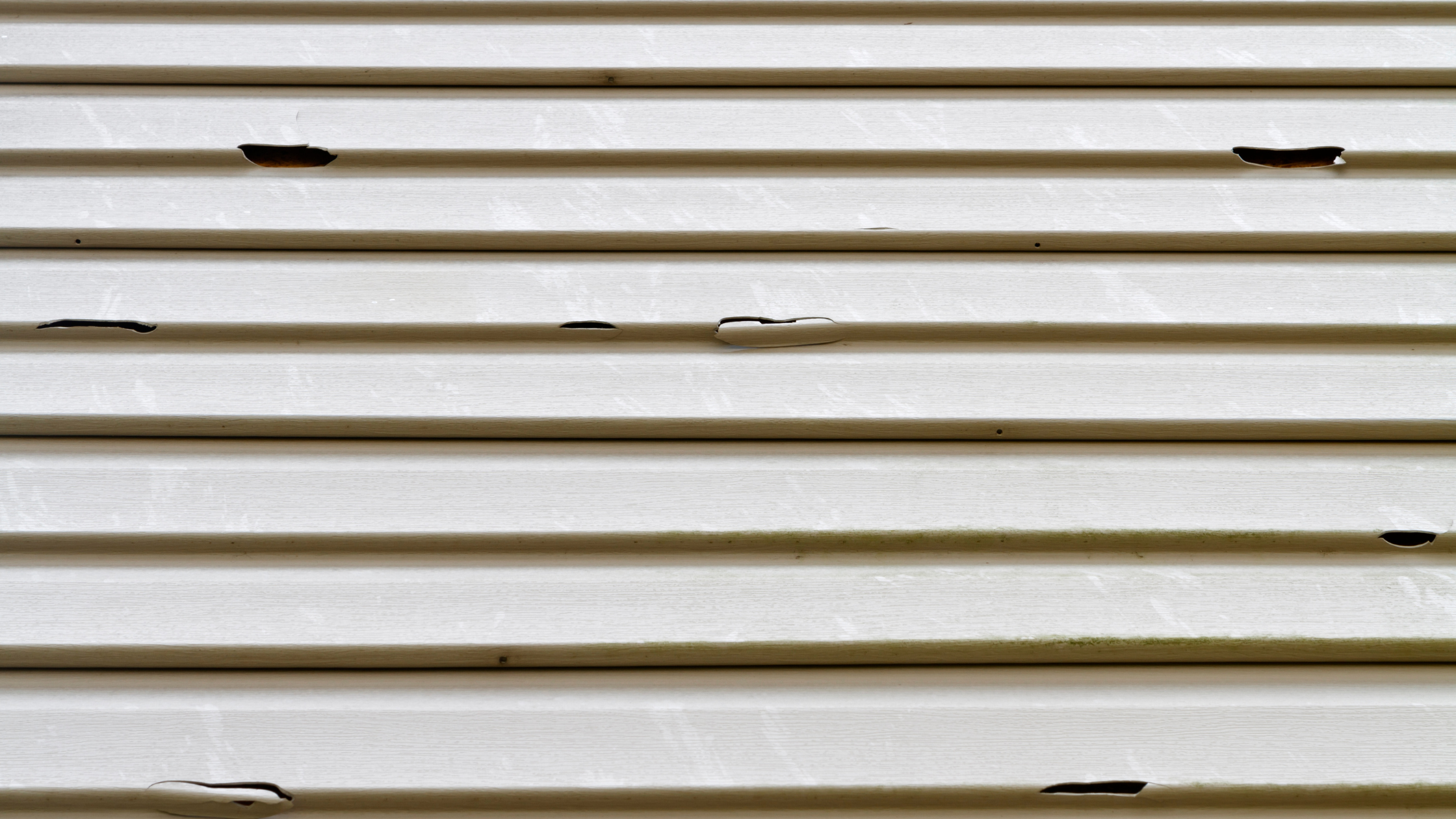
When severe weather moves through Maryland, many homeowners immediately think about their roof. Missing shingles, fallen branches, and roof leaks are some of the most obvious signs of storm damage. But your roof isn’t the only part of your home’s exterior that can take a beating. Strong winds, heavy rain, and flying debris can also cause significant damage to your siding and windows. Some of this damage may be easy to spot, while other problems can go unnoticed until moisture makes its way inside your home. Knowing what to look for after a storm can help you address small problems before they lead to more extensive repairs.
How Strong Winds Can Damage Your Siding
Siding is designed to protect your home from the elements, but severe wind can put that protection to the test. High winds can loosen siding panels, pull sections away from the house, or cause pieces to detach completely. Even when siding remains in place, wind can create small gaps that allow rain to get behind the exterior surface.
After a storm, walk around your property and look for:
- Loose or missing siding
- Panels that appear warped or buckled
- Cracks, chips, or holes
- Sections that have shifted out of position
- Pieces of siding on the ground
- Damage from fallen branches or flying debris
Don’t assume siding is fine simply because nothing is missing. Damage can occur around seams, corners, and areas where siding meets windows and doors.
Wind-Driven Rain Can Find Small Openings
Heavy rain falling straight down is one thing. Rain being pushed against your home by strong winds creates a different challenge. Wind-driven rain can force water into small openings around siding, windows, doors, flashing, and exterior trim. Once moisture gets behind these materials, it may affect the sheathing, insulation, or other components of your home. Signs of possible water intrusion include discoloration on interior walls, bubbling or peeling paint, musty odors, damp areas around windows, and unexplained moisture inside the home. Water damage may not become visible immediately after a storm. That’s one reason checking your exterior after severe weather is important, even if you don’t see an active leak.
Windows Can Sustain Storm Damage Too
Windows are another vulnerable part of your home’s exterior. Flying branches and debris can cause obvious damage such as cracked or broken glass, but storms can create less noticeable problems as well. Strong winds and pressure can affect window frames, seals, screens, and exterior caulking. Heavy rain may expose areas where a window is no longer properly sealed. After a storm, check your windows for cracked glass, damaged screens, loose trim, deteriorated caulking, moisture around the frame, or condensation between panes. If water is collecting around a window or you notice new drafts after a storm, the window or surrounding materials should be inspected.
Don’t Forget About Hail and Flying Debris
Maryland thunderstorms can bring hail and strong wind gusts capable of sending branches and other debris into your home. Depending on the type of siding you have, impact damage may appear as cracks, dents, chips, or punctures. Window screens, frames, trim, and glass can also be damaged. Pay particular attention to the sides of your home that faced the strongest winds during the storm. Damage may be concentrated in one area rather than occurring around the entire house.
Why a Post-Storm Exterior Inspection Matters
Storm damage isn’t always dramatic. A loose piece of siding or compromised window seal may seem minor, but it can create an opening for moisture. Over time, repeated exposure to rain and humidity can make the problem worse and potentially lead to damage beneath the exterior materials. After significant storms, take a few minutes to inspect your property from the ground. Avoid climbing onto the roof or attempting to inspect areas that aren’t safely accessible. If you notice damage, water intrusion, or anything that looks different than it did before the storm, having the area professionally inspected can help determine what repairs may be necessary.
Protect Your Maryland Home After Severe Weather
Your home’s exterior works as a system. The roof, siding, windows, flashing, and trim all help keep weather outside where it belongs. After strong winds or heavy rain, don’t stop your inspection at the roofline. Checking your siding and windows can help uncover storm damage before it turns into a larger problem. If you suspect your Maryland home has experienced storm damage, A & S Construction can inspect your home’s exterior and help identify areas that may need attention.