

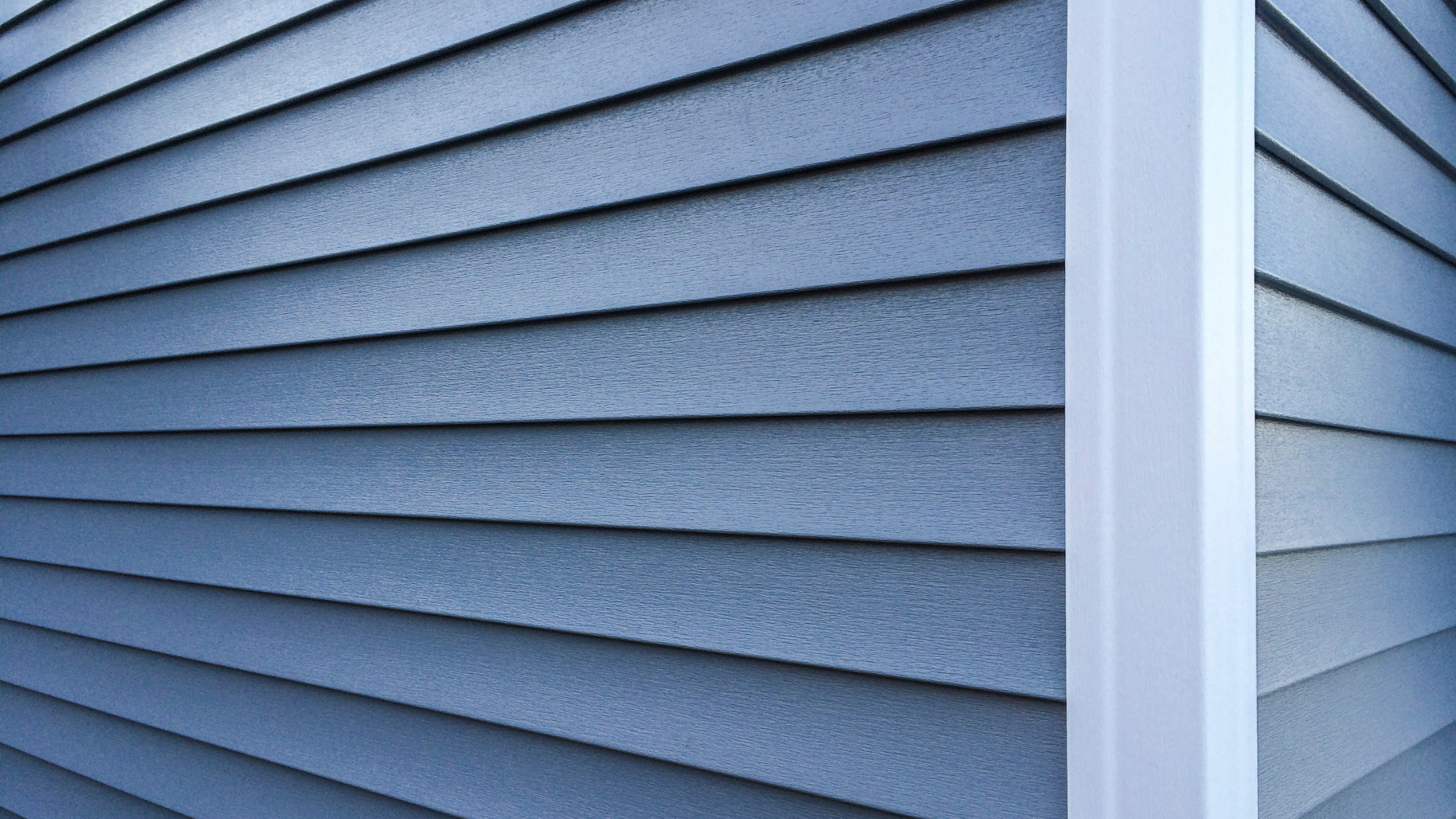
When most homeowners think about siding, they usually think about appearance first. New siding can absolutely improve curb appeal and make a home look fresh and updated, but siding does much more than simply make a house look nice.
Your siding is one of the most important protective systems on your home. It acts as a barrier between your house and everything Maryland weather throws at it, including heavy rain, humidity, wind, heat, freezing temperatures, and pests. When siding begins to fail, the problems often extend far beyond cosmetic issues. Understanding the role your siding plays can help you protect your home, improve energy efficiency, and avoid costly repairs down the road.
Siding Protects Your Home From Moisture Damage
One of the biggest jobs your siding performs is protecting your home from moisture intrusion. Rainwater may seem harmless from the outside, but once moisture finds its way behind damaged or aging siding, it can create serious issues inside your walls. Cracked panels, loose seams, warped boards, or gaps around trim can allow water to penetrate your home’s structure. Over time, that moisture can lead to wood rot, mold growth, mildew, and even structural deterioration.
In Maryland, where homes experience everything from humid summers to freeze-thaw winter cycles, moisture protection is especially important. Small siding problems often become much larger issues because water expands and contracts as temperatures change. What starts as a tiny opening can quickly grow into a much bigger repair. This is why routine siding inspections and repairs matter. Catching damage early can prevent expensive structural problems later.
Siding Helps Insulate Your Home
Many homeowners are surprised to learn how much siding contributes to a home’s overall insulation and comfort. While insulation exists within the walls, siding plays an important role in regulating temperature and reducing air infiltration.
Older or damaged siding can allow outside air to enter the home, forcing your HVAC system to work harder to maintain a comfortable indoor temperature. This can lead to noticeable drafts, uneven room temperatures, and rising energy bills. Modern siding systems, especially insulated vinyl siding, can help improve your home’s thermal efficiency by creating an additional protective barrier against heat and cold. Proper installation is equally important because even high-quality materials cannot perform well if gaps or weak points are left behind during installation. If your energy bills seem unusually high, your siding may be contributing more to the problem than you realize.
Siding Helps Prevent Pest Problems
Siding also serves as an important defense against insects and pests. Damaged siding creates easy entry points for unwanted visitors such as termites, ants, rodents, and other pests seeking warmth or shelter. Even small cracks or openings around siding and trim can provide access into wall cavities and attic spaces. Once pests get inside, they can damage insulation, wiring, wood framing, and more.
Wood rot caused by moisture can make the problem even worse, as decaying materials attract insects and further weaken the structure. Maintaining your siding is not just about protecting the exterior appearance of your home; it is also about protecting what is happening behind the walls. Keeping siding properly sealed and maintained can help reduce the risk of expensive pest-related repairs.
Siding Plays a Major Role in Structural Protection
Your siding is part of the overall system that protects the structural integrity of your home. While it may not carry the load of the house itself, it shields the framing and underlying materials from exposure to the elements. When siding fails, the layers underneath become vulnerable. Prolonged exposure to water and weather can weaken sheathing, framing, and other critical structural components. Unfortunately, these issues often go unnoticed until the damage becomes extensive.
Many homeowners do not realize there is a problem until they begin to see interior signs such as bubbling paint, soft spots near walls, mold growth, or water stains. By that point, repairs are often much more costly than addressing siding issues early. Investing in quality siding and proper installation helps protect the long-term health of your home.
Siding Can Improve Energy Efficiency and Home Value
In addition to protection, siding can also improve your home’s energy efficiency and resale value. Updated siding gives buyers confidence that the home has been properly maintained and protected from weather-related damage.
New siding can also help create a more consistent indoor temperature, improve curb appeal, and reduce maintenance concerns for years to come. For homeowners planning to stay long-term, it provides peace of mind knowing their home is better protected against the elements. For homeowners considering selling in the future, exterior appearance matters. Siding is one of the first things people notice when they pull up to a property.
Protecting More Than Just Appearance
Siding is often underestimated because homeowners only see the surface. In reality, it serves as one of your home’s first and most important layers of protection. From moisture control and insulation to pest prevention and structural defense, siding plays a major role in your home’s performance and longevity.
If your siding is cracked, faded, warped, loose, or showing signs of wear, it may be time to have it evaluated before small problems become major repairs. A professional inspection can help identify issues early and determine whether repair or replacement makes the most sense for your home.