

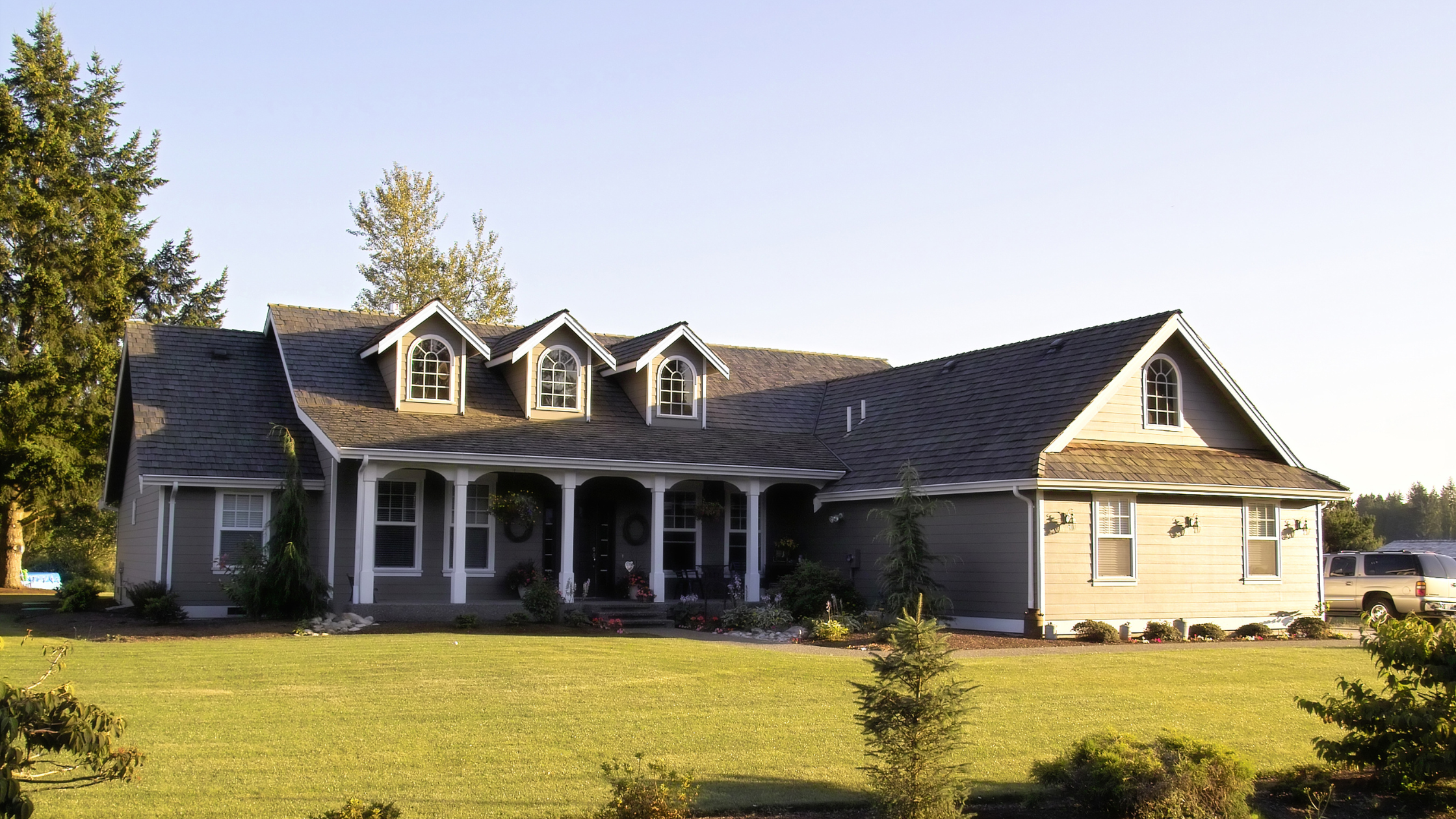
As temperatures start rising in May, many homeowners begin noticing certain rooms feeling warmer than others, higher energy bills, or an air conditioning system that already seems to be working overtime before summer has even officially arrived. Some homes stay cool and comfortable with little effort, while others seem to trap heat no matter how low the thermostat is set. While many people assume this is simply part of dealing with Maryland summers, the reality is that your home’s exterior and overall efficiency play a major role in how well it handles warmer weather.
As we move closer to summer, now is the perfect time to pay attention to the warning signs that your home may already be struggling to regulate temperature. From windows and siding to insulation and roof ventilation, several hidden factors can make a home feel hotter than it should.
Your Windows Could Be Letting Heat Inside
Windows are one of the biggest contributors to indoor heat gain, especially during late spring and summer. Older windows or windows with failing seals allow heat from the sun to transfer directly into your home, making it harder to maintain a comfortable indoor temperature. You may notice this most in the afternoon when rooms facing direct sunlight suddenly feel much warmer than the rest of the house. Drafts around window frames, condensation between panes, or difficulty opening and closing windows can also indicate that your windows are no longer performing efficiently.
Energy-efficient windows are designed to reduce heat transfer and help maintain a more consistent indoor temperature. If your current windows are outdated, your HVAC system may already be compensating for the extra heat entering the home, leading to higher cooling costs before summer even begins.
Siding Does More Than Improve Appearance
Many homeowners think of siding primarily in terms of appearance, but it also plays an important role in regulating indoor temperature and protecting the home from heat and moisture.
As summer approaches, damaged or aging siding can allow warm air and humidity to penetrate the home more easily, especially through cracks, loose panels, warped areas, or failing seams. This can make it harder to keep your home comfortable and force your HVAC system to work harder than necessary.
We recently covered this topic in more detail in our blog about why siding is more important than most homeowners realize, including how siding helps protect against moisture intrusion, supports energy efficiency, and contributes to the overall health of your home.
The important thing to understand here is that your siding is part of your home’s overall thermal barrier. When it begins to fail, even in small ways, you may start noticing hotter rooms, increased humidity indoors, and rising energy bills as temperatures climb heading into summer.
Insulation Matters During Summer Too
Many people associate insulation with winter weather, but insulation is just as important during the warmer months. Its job is to help regulate indoor temperature year-round by slowing heat transfer. Without proper insulation, the heat building up outside and inside your attic can quickly move into your living spaces. This often results in hot upstairs rooms, uneven temperatures throughout the home, and an air conditioning system that seems to run constantly.
As temperatures climb in late spring, homes with poor insulation often begin experiencing comfort issues long before the hottest days of summer arrive. Signs your insulation may not be performing properly include:
- Rooms that are difficult to keep cool
- High energy bills
- Hot second floors or bonus rooms
- Constant HVAC usage
- Uneven temperatures throughout the home
Addressing insulation problems early can improve comfort and help reduce cooling costs throughout the summer season.
Roof Ventilation Plays a Bigger Role Than Most Homeowners Realize
Roof ventilation is one of the most overlooked parts of home efficiency, yet it has a major impact on how hot your home feels during the summer. Your attic naturally traps heat as outdoor temperatures rise. Without proper ventilation, that heat has nowhere to go and continues building throughout the day. Eventually, the trapped heat radiates downward into the living areas below, making your home harder to cool.
Proper roof ventilation allows hot air to escape and helps regulate attic temperatures before they begin affecting the rest of the house. It also helps protect roofing materials from excessive heat buildup and moisture issues. If your upstairs feels significantly warmer than the rest of the home, poor attic ventilation may be part of the problem.
Preparing Your Home Before Summer Arrives
May is one of the best times to evaluate how your home is performing before summer temperatures fully set in. Small issues with windows, siding, insulation, or ventilation may not seem urgent right now, but they often become much more noticeable once summer heat and humidity arrive.
The good news is that identifying these issues early can help improve comfort, lower energy costs, and reduce strain on your HVAC system before peak summer weather hits. Your home should be helping protect you from the heat, not trapping it inside. If your house already feels warmer than it should this spring, it may be time to take a closer look at the systems working behind the scenes to keep your home comfortable year-round.